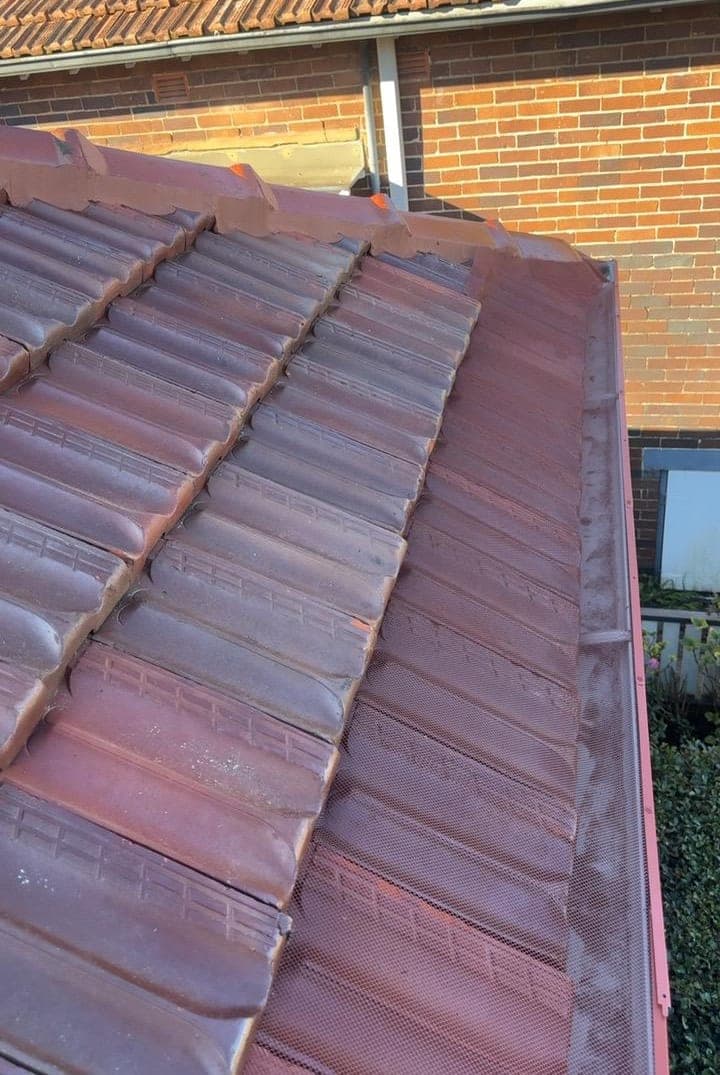
Concrete vs Terracotta Tiles: Which is Best for Sydney Roofs?
Choosing between concrete and terracotta tiles is one of the biggest decisions Sydney homeowners face during a roof replacement. Both materials perform well in our coastal climate, but they differ significantly in cost, weight, lifespan, and aesthetic appeal.
At Crown Roofers (NSW Lic. 471250C), we install hundreds of tile roofs across Greater Sydney every year—from heritage terracotta restorations in Mosman to modern Monier concrete in Parramatta.
Here's everything you need to know to pick the right tile for your home.
What Are Concrete Roof Tiles?
Concrete tiles are made from sand, cement, and water, then moulded and cured. Brands like Monier and Bristile dominate the Sydney market.
They're available in dozens of profiles—flat, low-pitch, and traditional barrel shapes—and come in nearly any colour you can imagine.
Cost: $80–$130 per m² supplied and installed in 2025, making them the most affordable tile option for Sydney homeowners.
Weight: Approximately 45–50 kg per m², which most homes built after 1980 can support without structural upgrades.
Lifespan: 40–60 years with proper maintenance. Concrete tiles can fade or become porous over time, but a quality restoration (rebed, repoint, and paint) at the 20–25 year mark extends their life significantly.
What Are Terracotta Roof Tiles?
Terracotta tiles are made from natural clay fired at high temperatures. Boral and La Escandella are the premium brands we install.
They deliver a warm, earthy colour palette—think Mediterranean villages or classic Federation homes.
Cost: $150–$220 per m² supplied and installed in 2025, nearly double the price of concrete.
Weight: Similar to concrete at 45–55 kg per m², though some Spanish-style profiles can be heavier.
Lifespan: 70–100+ years. Terracotta is incredibly durable and doesn't fade—the colour is baked into the clay.
Many Sydney heritage homes still have original 1920s terracotta tiles in perfect condition.
Cost Comparison: Concrete vs Terracotta in Sydney
For a typical 150 m² Sydney roof replacement in 2025:
- Concrete tiles: $12,000–$19,500 (materials + labour)
- Terracotta tiles: $22,500–$33,000 (materials + labour)
The upfront cost difference is significant, but terracotta's longer lifespan and zero-fade guarantee mean you'll never need to paint it. Concrete tiles often require a $6,000–$9,000 restoration after 20–25 years.
Over 50 years, the total cost of ownership can be similar—but terracotta frontloads the investment, while concrete spreads it out.
Performance in Sydney's Climate
Heat resistance: Terracotta reflects more heat than concrete, keeping your ceiling cavity cooler in summer. This can cut air-con costs by 10–15% in western suburbs like Penrith or Castle Hill.
Coastal exposure: Both materials handle salt air well, but terracotta doesn't suffer the surface erosion concrete can develop after 30+ years near the beach. We've replaced plenty of faded concrete roofs in Bondi and Cronulla—but never a terracotta one.
Hail and impact: Concrete is slightly more brittle and prone to cracking in severe hailstorms. Terracotta is denser and chips rather than shatters, though both materials can fail under golf-ball-sized hail.
Moss and algae: Concrete's porous surface grows moss faster, especially on south-facing roofs. Terracotta's smooth, non-porous finish resists organic growth.
A simple roof clean every 3–5 years keeps both materials looking sharp.
Aesthetic and Resale Value
Terracotta suits heritage homes, Mediterranean styles, and high-end properties. It signals quality and permanence, which can add $20,000–$40,000 to resale value in premium suburbs like Hunters Hill or Woollahra.
Concrete tiles offer more profile and colour variety, making them ideal for modern builds or renovations where you want to match existing homes in a street. They're the default choice for volume builders and most project homes.
If your home has a Development Application (DA) or heritage overlay, check with your council—some areas mandate terracotta or specific colours.
Structural Considerations and Installation
Both tile types weigh roughly the same, but older homes (pre-1950) may need timber reinforcement for either material. A structural engineer's report costs $600–$1,200 and is often required for insurance or council approval.
Installation timelines are identical: 3–7 days for a typical Sydney house, depending on pitch and complexity.
Sarking and insulation: We always install roof sarking under tiles (required by NSW Building Code). Adding bulk insulation batts at the same time costs $15–$25 per m² and dramatically improves comfort and energy efficiency.
Maintenance: What to Expect Over 30 Years
Concrete tiles:
- Year 5–7: First roof clean ($400–$800)
- Year 15–20: Rebed ridge caps if cracked ($1,500–$3,000)
- Year 20–25: Full restoration—rebed, repoint, pressure clean, paint ($6,000–$9,000)
- Year 40+: Replacement or second restoration
Terracotta tiles:
- Year 5–7: First roof clean ($400–$800)
- Year 15–20: Rebed ridge caps if needed ($1,500–$3,000)
- Year 30–50: Replace broken individual tiles ($150–$300 per visit)
- Year 70+: Still going strong on most homes
Both materials require the same valley, flashing, and gutter maintenance. The main difference is terracotta never needs painting.
When to Call Crown Roofers
If you're weighing concrete vs terracotta for a roof replacement, we'll visit your home, measure the roof, check structural capacity, and provide a detailed quote for both options—no obligation.
We also handle insurance claims, Heritage NSW approvals, and council CDCs for tile roofs across Greater Sydney and Wollongong. Call us on 0480 086 787 for a free inspection and honest advice—we'll never upsell you to a material your home doesn't need.
The Verdict: Which Tile Should You Choose?
Choose concrete tiles if:
- You're on a tighter budget and want a quality roof now
- You plan to sell within 10–15 years (lower upfront cost)
- You want maximum colour and profile flexibility
- Your street is mostly concrete and you want to match
Choose terracotta tiles if:
- You're in a heritage area or high-end suburb
- You want a roof that lasts 70+ years with minimal maintenance
- You value heat reflection and energy savings
- You're renovating a Federation, Mediterranean, or Spanish-style home
Either way, proper installation and regular maintenance matter more than the tile itself. A well-installed concrete roof will outlast a poorly installed terracotta one every time.
That's why Crown Roofers offers a 10-year workmanship guarantee on every tile roof we install—because we back our work, no matter which material you choose.
Tags
Frequently Asked Questions
Are terracotta tiles worth the extra cost?
Can I replace concrete tiles with terracotta without structural work?
Do concrete tiles fade faster in Sydney's sun?
Which tile is better for hailstorms?
Can I paint terracotta tiles to change the colour?
How often do tile roofs need maintenance in Sydney?
How long do concrete roof tiles last in Sydney compared to terracotta?
Is concrete or terracotta tile better for Western Sydney heat?
Practical next steps
Find the right roofing help
Explore services related to this guide, or check whether Crown Roofers works in your area.
Crown Roofers Team
Crown Roofers is a NSW-licensed Sydney roofing contractor with $20M public liability and a written 10-year workmanship guarantee.