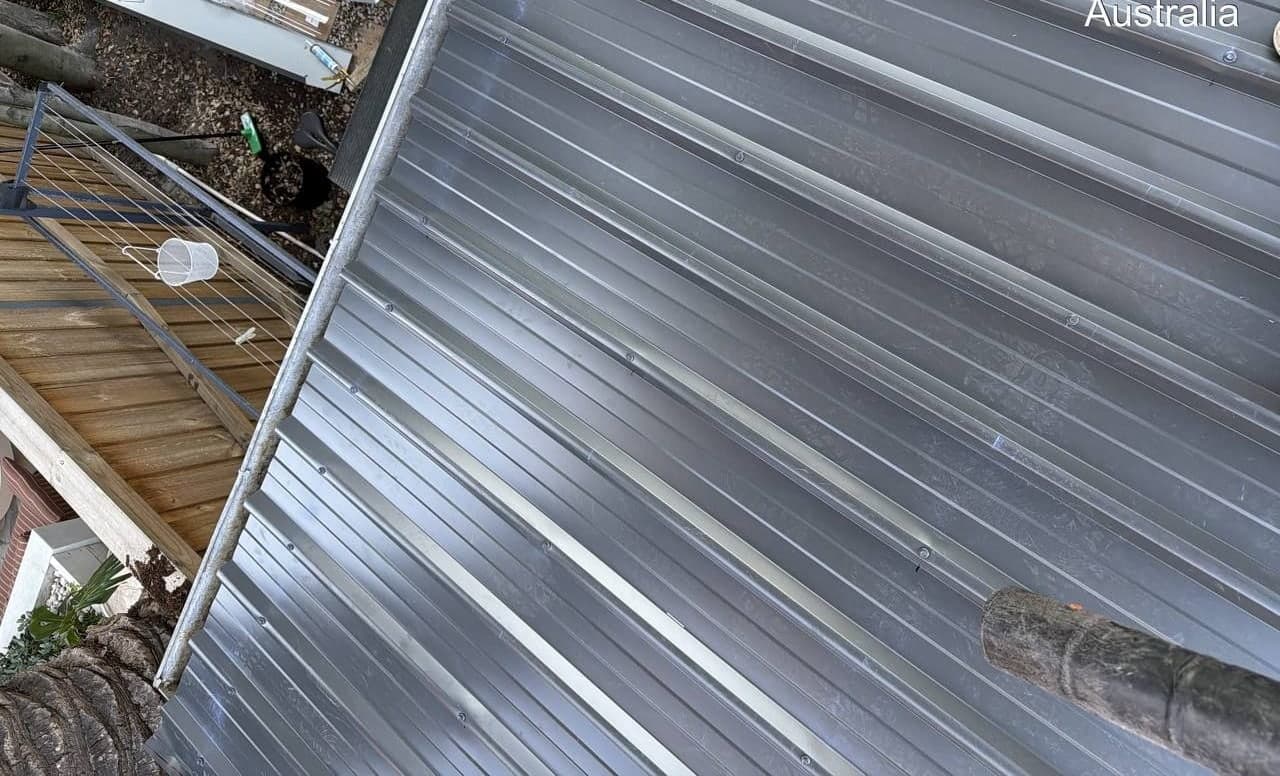
Marine Grade Colorbond Sydney: When Do You Really Need It?
If you live anywhere from Bondi to Cronulla, or across to Manly and Palm Beach, you've probably heard conflicting advice about marine-grade roofing. One contractor says you absolutely need Colorbond Ultra; another says standard Colorbond is fine.
So what's the truth for Sydney homeowners 5km from the beach?
The short answer: it depends on your exact distance, local topography, and exposure to prevailing winds—but for most homes between 1–5km from the coast, Colorbond Ultra provides essential long-term protection that standard Colorbond simply can't match.
Understanding Sydney's Coastal Corrosion Zones
Bluescope Steel (the manufacturer of Colorbond) divides Australia into corrosion zones based on distance from breaking surf:
- Severe Marine (Zone D): 0–500m from the ocean
- Marine (Zone C): 500m–1km from the ocean
- Coastal (unofficial): 1–5km from the ocean
- Inland: Beyond 5km
In Sydney, these zones get complicated by hills, valleys, and harbour geography. A home in Vaucluse at 2km from Bondi Beach faces different salt exposure than a home in Epping at the same distance—because prevailing easterlies carry salt spray inland along certain corridors.
What Makes Colorbond Ultra "Marine Grade"?
Colorbond Ultra uses a zinc/aluminium alloy coating (55% aluminium, 43.4% zinc, 1.6% silicon) that's significantly thicker than standard Colorbond. This Zincalume® coating provides sacrificial protection: even if the paint layer is scratched, the underlying alloy corrodes instead of the steel core.
Standard Colorbond uses the same technology, but with a thinner metallic coating more suited to inland conditions. In salt-laden air, that difference becomes critical after 10–15 years.
The 5km Question: Do You Need Ultra?
For a Sydney home at exactly 5km from breaking surf, here's our honest assessment:
You probably don't need Ultra if:
- You're in a sheltered valley or behind a ridgeline that blocks easterlies
- Your suburb is inland-west (like Castle Hill, Parramatta, Penrith)
- You're 5km+ from any harbour inlet or river mouth
- Your roof pitch is steep (salt spray runs off quickly)
You should strongly consider Ultra if:
- You're on an exposed hilltop or ridge facing the ocean
- Prevailing winds channel salt air up your valley (common in northern beaches suburbs)
- You're near harbour inlets where salt water reaches further inland
- You want 25+ year roof life without repainting
- You're planning to stay in the home long-term
Real Sydney Examples
5km from Middle Head faces strong harbour salt exposure—we'd recommend Ultra. A home in Turramurra at 12km but in a sheltered gully?
Standard Colorbond is perfectly adequate.
2km from the beach with north-facing exposure absolutely needs Ultra (NSW Lic. 471250C work confirms this daily).
But a Rockdale home at 4km behind industrial buildings gets less direct salt—standard may suffice.
Cost Reality: Ultra vs Standard in 2025
For a typical 150m² Sydney roof:
- Standard Colorbond re-roof: $18,000–$24,000
- Colorbond Ultra re-roof: $21,000–$28,000
The premium is roughly 15–20%, or $3,000–$5,000 for most homes. Over a 25-year lifespan, that's $120–$200 per year for significantly better corrosion protection.
What About Warranty?
Bluescope's warranty coverage differs by zone:
- Ultra in coastal zones: 20-year perforation warranty
- Standard in coastal zones: Limited or no perforation warranty beyond 1km
If you're within 5km and install standard Colorbond, you may void material warranties—and that matters if early corrosion appears.
Other Coastal Roofing Considerations
Fasteners and Flashings
Even with Ultra, you need:
- Stainless steel screws (not zinc-plated)
- Matching Ultra trim and flashings (mixing materials accelerates galvanic corrosion)
- Sealed ridgecaps to prevent salt infiltration
We see DIY jobs where homeowners bought Ultra sheets but used cheap screws—the fasteners corrode first, causing sheet blow-off.
Maintenance Matters More Near the Coast
Regardless of material grade:
- Hose down your roof 2–3 times per year to wash off salt buildup
- Clean gutters every 6 months (salt accelerates leaf decay and clogs)
- Inspect flashings annually for early corrosion signs
- Touch up any paint chips immediately
A standard Colorbond roof with diligent maintenance can outlast a neglected Ultra roof.
When to Choose Other Materials
Terracotta or concrete tile performs excellently in coastal Sydney—no corrosion risk, 50+ year lifespan, but tiles themselves can crack from salt crystallisation cycling. We install La Escandella terracotta across Bondi and Coogee with excellent results.
Zincalume corrugated (unpainted) is sometimes used for sheds or secondary structures; it develops a protective patina but looks industrial.
For heritage homes in suburbs like Paddington or Balmain, we often restore original slate or terracotta rather than switching to Colorbond—council DAs may require material matching anyway.
How Crown Roofers Assesses Your Site
When you call 0480 086 787, we don't guess. We:
- Check exact GPS distance to nearest surf beach and harbour inlet
- Assess prevailing wind exposure using local weather data
- Inspect existing roof for salt corrosion patterns
- Review council overlays (some coastal zones have DA requirements)
- Provide written recommendations with warranty implications explained
We've completed 200+ coastal re-roofs across Greater Sydney—from Wollongong to Palm Beach—and we'll tell you honestly when standard Colorbond is adequate and when Ultra is worth the investment.
Making Your Decision
If you're at that 4–6km borderline, here's the deciding question: How long do you plan to own this home?
- Selling in 5–10 years? Standard Colorbond with good maintenance is fine.
- This is your forever home? Ultra pays for itself in longevity and resale value.
- Investment property? Ultra reduces long-term maintenance calls and tenant complaints.
For most Sydney homeowners between 1–5km from the coast, we recommend Ultra. The peace of mind and warranty protection justify the modest upfront premium—especially given Sydney's rising property values and renovation costs.
Get a Free Coastal Roofing Assessment
Crown Roofers holds NSW Contractor Licence No. 471250C and carries $20M public liability insurance.
We provide written quotes that break down material grades, warranties, and realistic timelines—no pressure, no invented claims.
Whether you're in Coogee or Castle Hill, we'll assess your specific salt exposure and recommend what actually makes sense for your roof. Call 0480 086 787 or visit crownroofers.com.au to book your free inspection.
Remember: the best roof isn't always the most expensive one—it's the one that's right for your exact location, budget, and plans.
Tags
Frequently Asked Questions
Is Colorbond Ultra required by law in Sydney coastal suburbs?
How much more does Colorbond Ultra cost than standard Colorbond?
Can I use standard Colorbond and just paint it more often?
Does Colorbond Ultra come in all the same colours as standard?
How do I know if my existing roof is standard or Ultra?
Will Ultra last 50 years in Sydney coastal conditions?
What's the warranty on Colorbond steel roofing in Sydney's salty air?
Do I need marine grade Colorbond in the Inner West or Eastern Suburbs?
Practical next steps
Find the right roofing help
Explore services related to this guide, or check whether Crown Roofers works in your area.
Crown Roofers Team
Crown Roofers is a NSW-licensed Sydney roofing contractor with $20M public liability and a written 10-year workmanship guarantee.